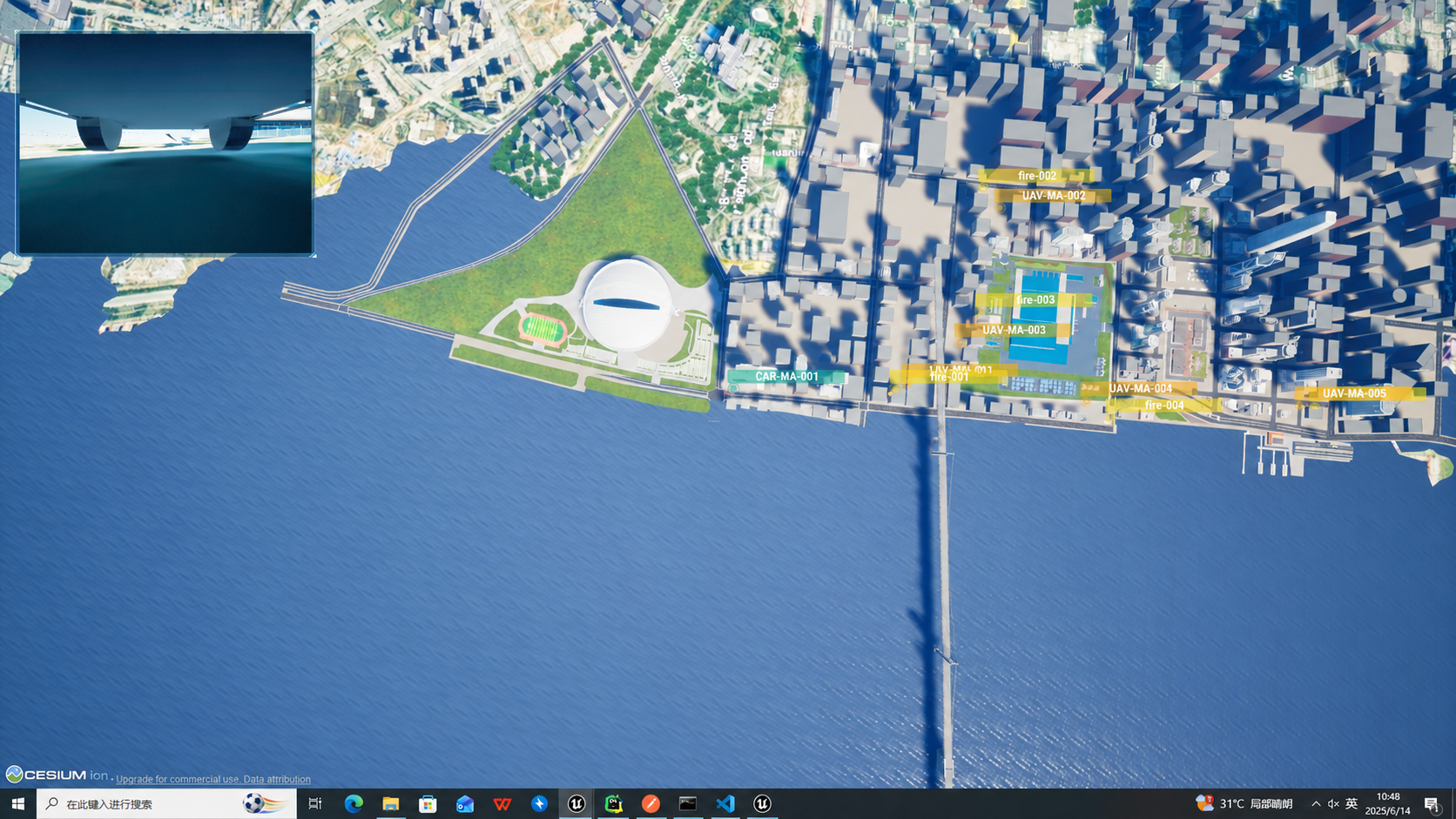
Lingjing city-scale simulation view with heterogeneous agents

Research platform · ongoing public release

Lingjing

A city-scale platform for heterogeneous embodied intelligence.

Lingjing is the primary system: it connects simulators, agents, shared world state and evaluation for open-ended urban missions. PhysX-CoT and Lingjing-AnyScene are enabling research modules that expand how Lingjing acquires physical assets and constructs task scenes.

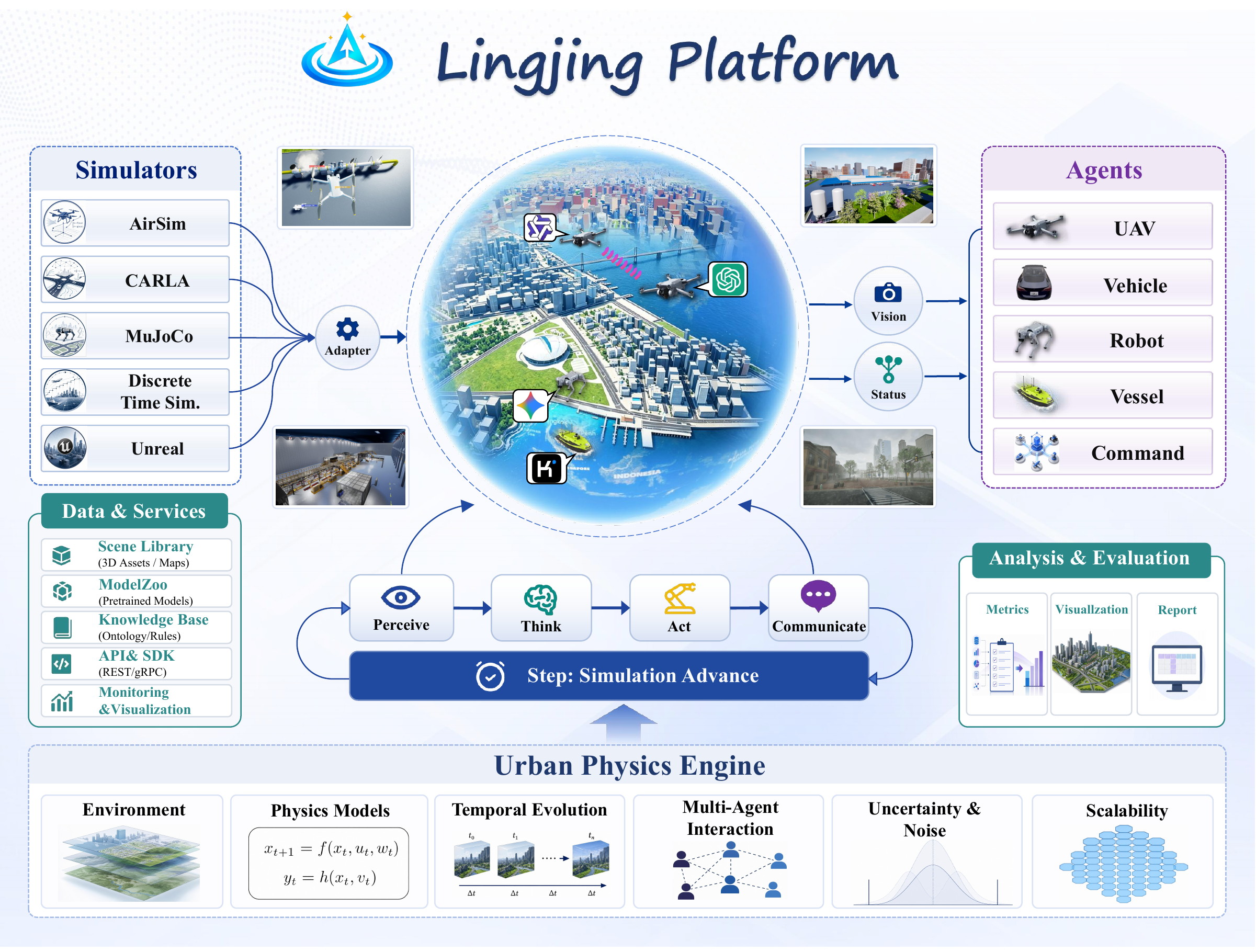
Lingjing platform · architecture

A unified platform for embodied intelligence.

Lingjing provides the system backbone for city-scale embodied missions, integrating simulation engines, shared world state, reusable resources, heterogeneous agents and evaluation. PhysX-CoT contributes asset intelligence, while Lingjing-AnyScene contributes task-scene intelligence—together extending the platform from physical content creation to mission execution.

Full Lingjing Platform architecture showing simulators, data and services, agents, the urban physics engine and analysis and evaluation
Lingjing Platform architecture · English versionOpen architecture PDF
CoreLingjing embodied runtimeConnects engines, shared world state, heterogeneous agents, coordination and evaluation in one city-scale platform.
EnablerAsset intelligencePhysX-CoT supplies structured, simulator-ready objects when the platform needs new physical content.
EnablerScene intelligenceLingjing-AnyScene turns real places and mission contracts into validated task environments.

Lingjing system

One platform, strengthened by two enabling research modules.

Lingjing remains the main subject of this site: a reusable multi-engine environment for embodied missions and evaluation. The other two works have specific identities inside that system. PhysX-CoT expands the platform's asset supply; Lingjing-AnyScene expands its ability to construct task-ready environments from real-world substrates.

Lingjing · primary result

The platform is demonstrated through embodied missions.

Lingjing is presented first and at full scale. Its task video and mission captures show the shared runtime coordinating different embodiments, engines and roles in one urban environment.

Core platform

Embodied intelligence system

Lingjing

A shared world for heterogeneous agents and open-ended missions.

Primary result
GitHub · Coming Soon arXiv · Coming Soon

Lingjing connects multi-engine simulation, shared world state, agent perception, reasoning, communication, action and evaluation. The media below records the central system result: grounded targets, shared routes, role allocation and cross-embodiment execution inside one city-scale runtime.

Embodiments
UAV · vehicle · quadruped · vessel
Engines
AirSim · CARLA · MuJoCo · Cesium
Evidence
Task video + four mission captures

System-level result

Execution media from the Lingjing testbed

The task demo makes the platform loop visible: a shared world is consumed by agents that perceive, decide, communicate and act.

Download the MP4

Lingjing mission evidence

Four embodied outcomes from the same platform

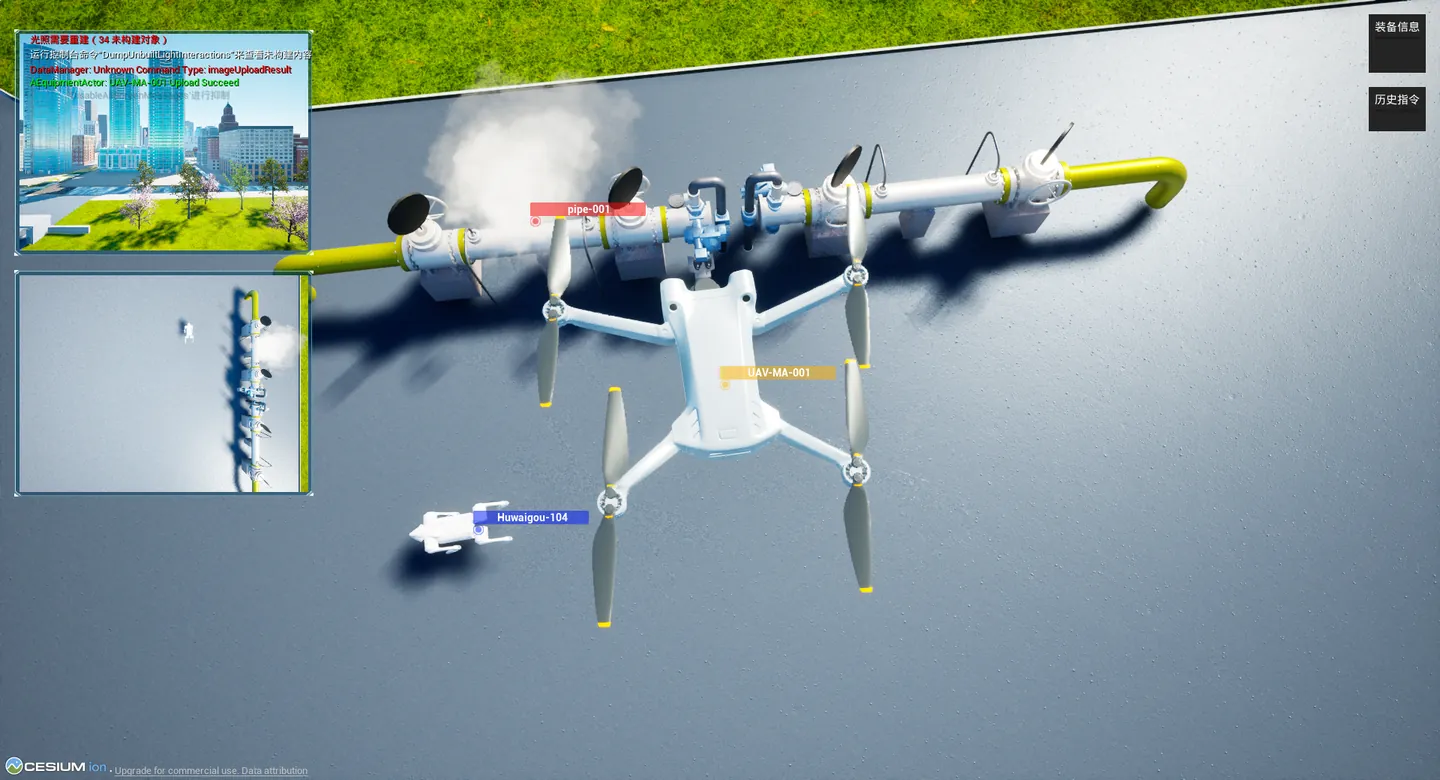
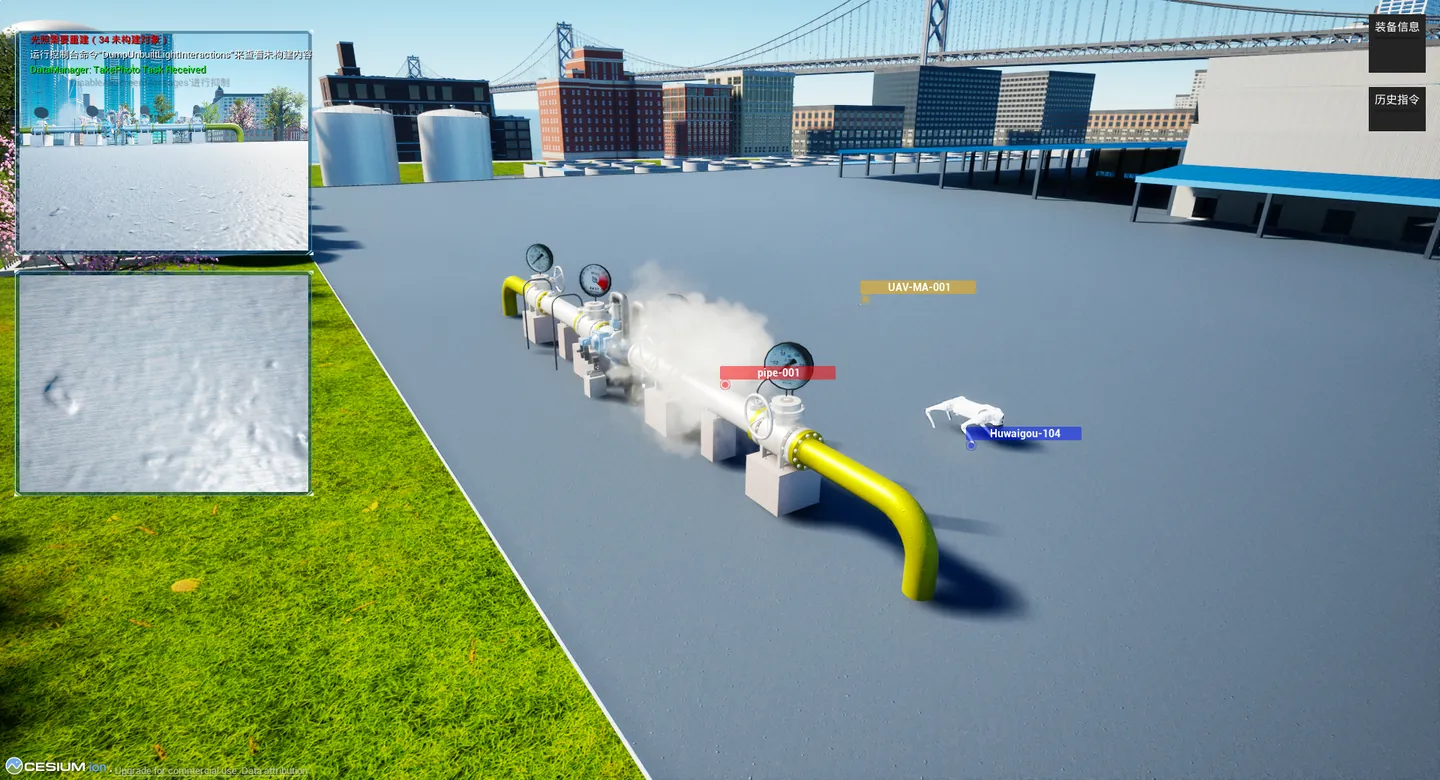
UAV inspecting a pipe with a quadruped agent in the sceneMarked leak target in the pipeline repair scene

Guidance and execution

UAV-guided pipeline inspection

The aerial agent observes the infrastructure and exposes a grounded target for the ground robot.

UAV + quadruped
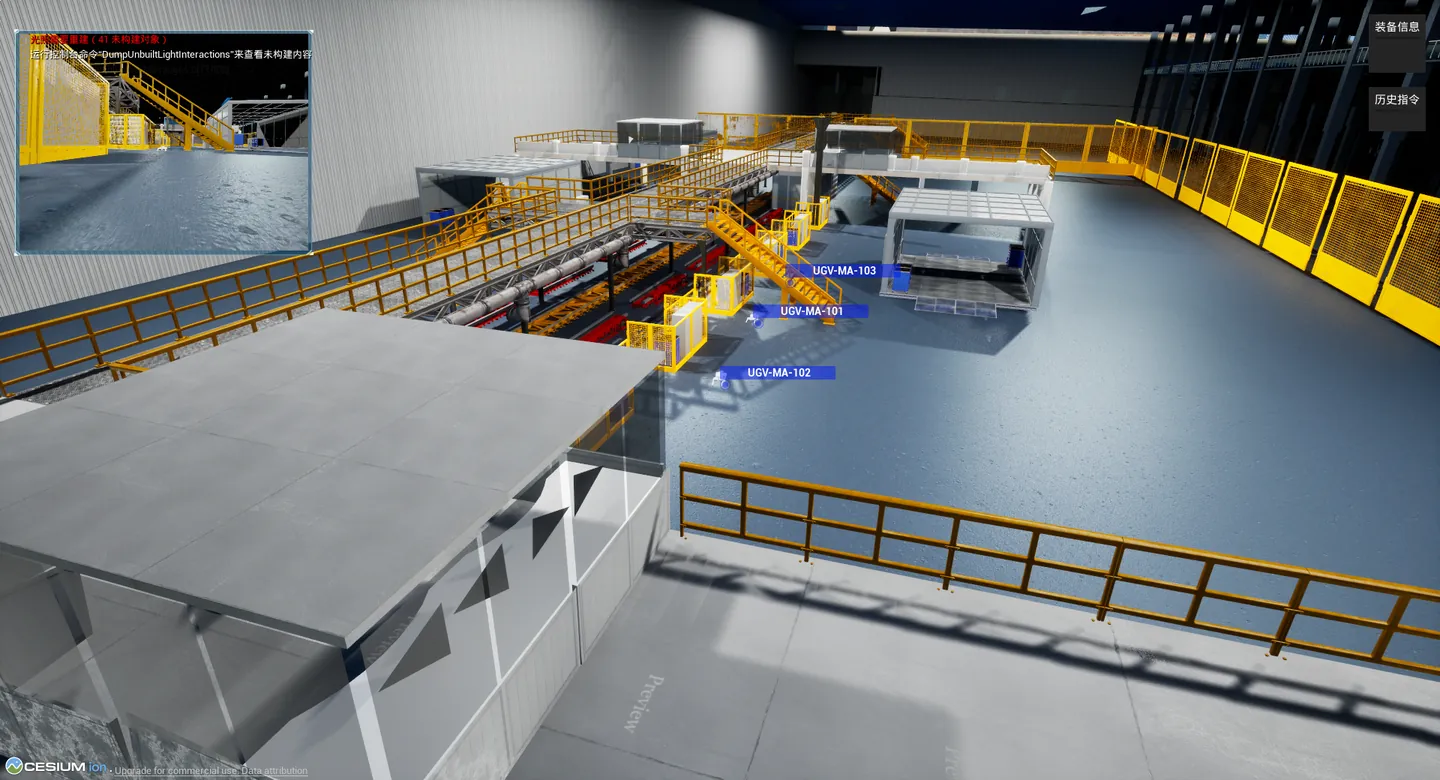
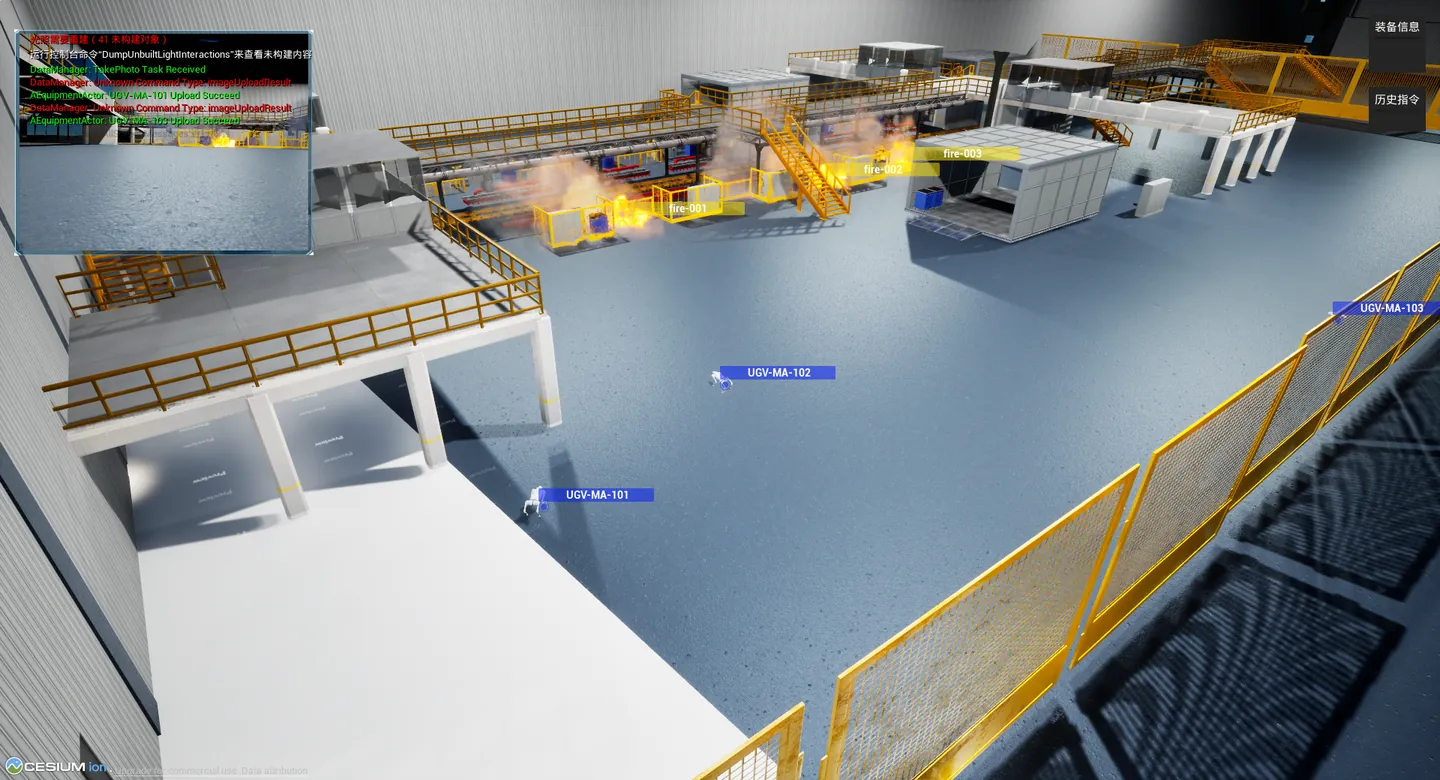
Quadruped agents staged in an industrial fire-response environmentFire-response scene with multiple quadruped agents

Emergency response

Multi-robot fire response

Several ground robots share an industrial scene while inspection and response roles remain visible in the engine.

Quadruped team
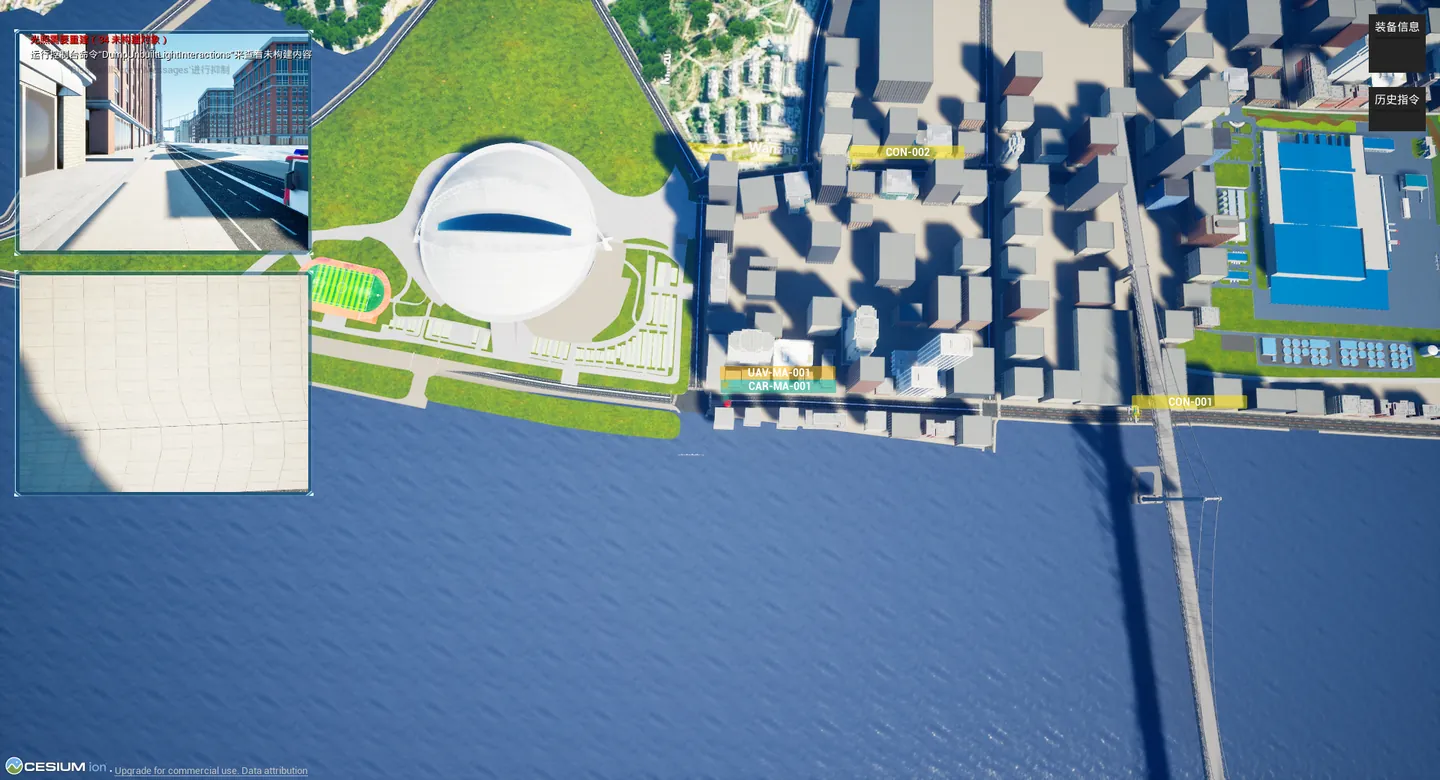
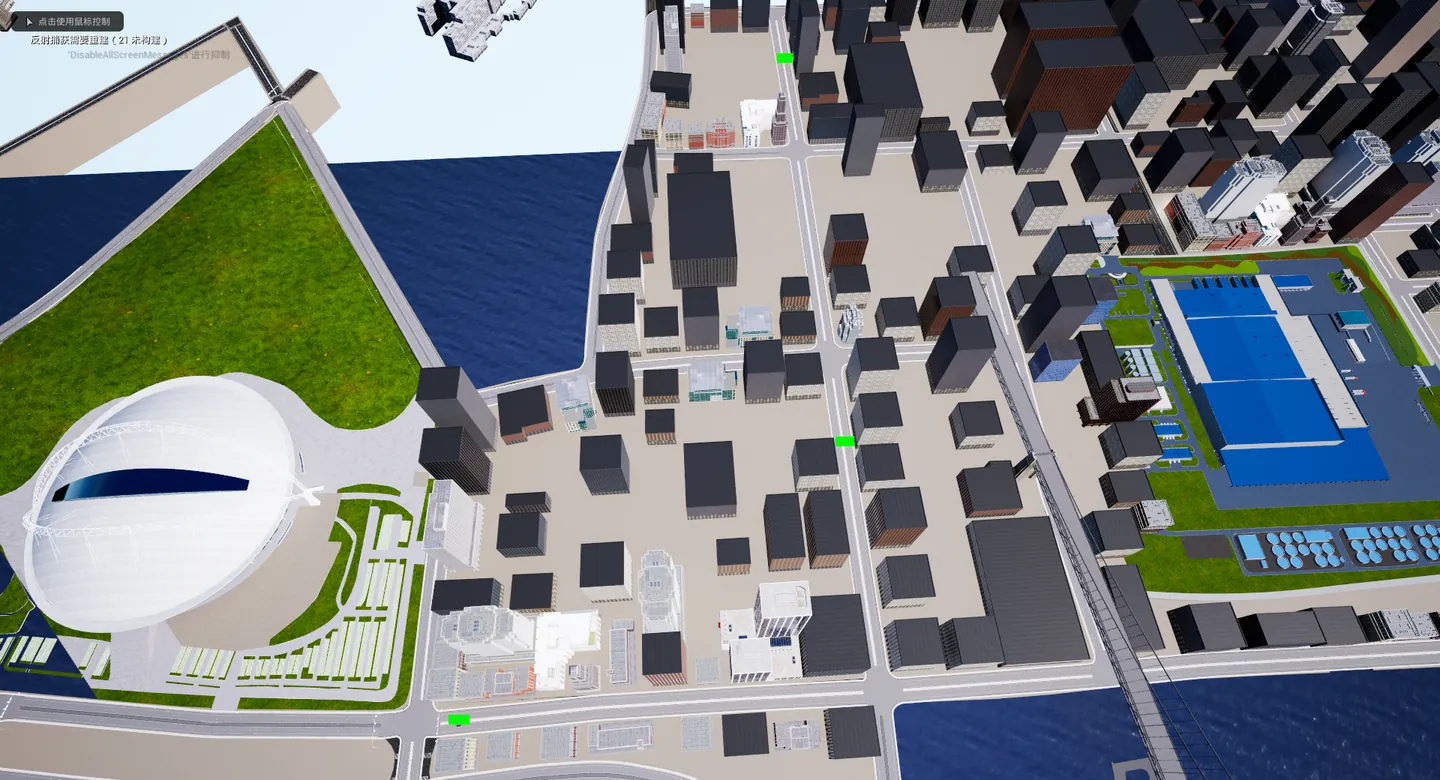
UAV and car agents coordinating around a city traffic sceneAutonomous vehicle route planning view

City mobility

Traffic observation and route planning

An aerial view exposes a congested area while the road agent plans a route over the shared city state.

UAV + vehicle
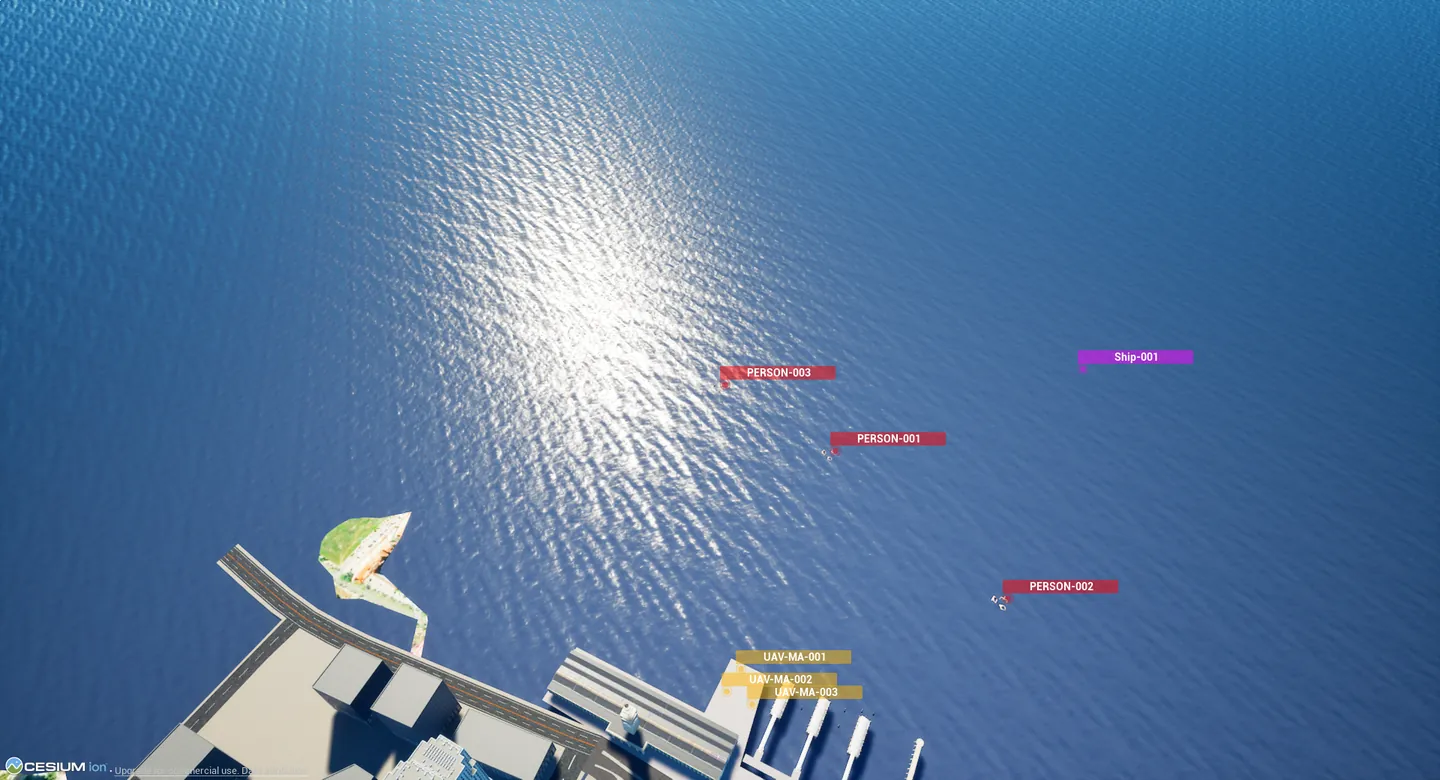
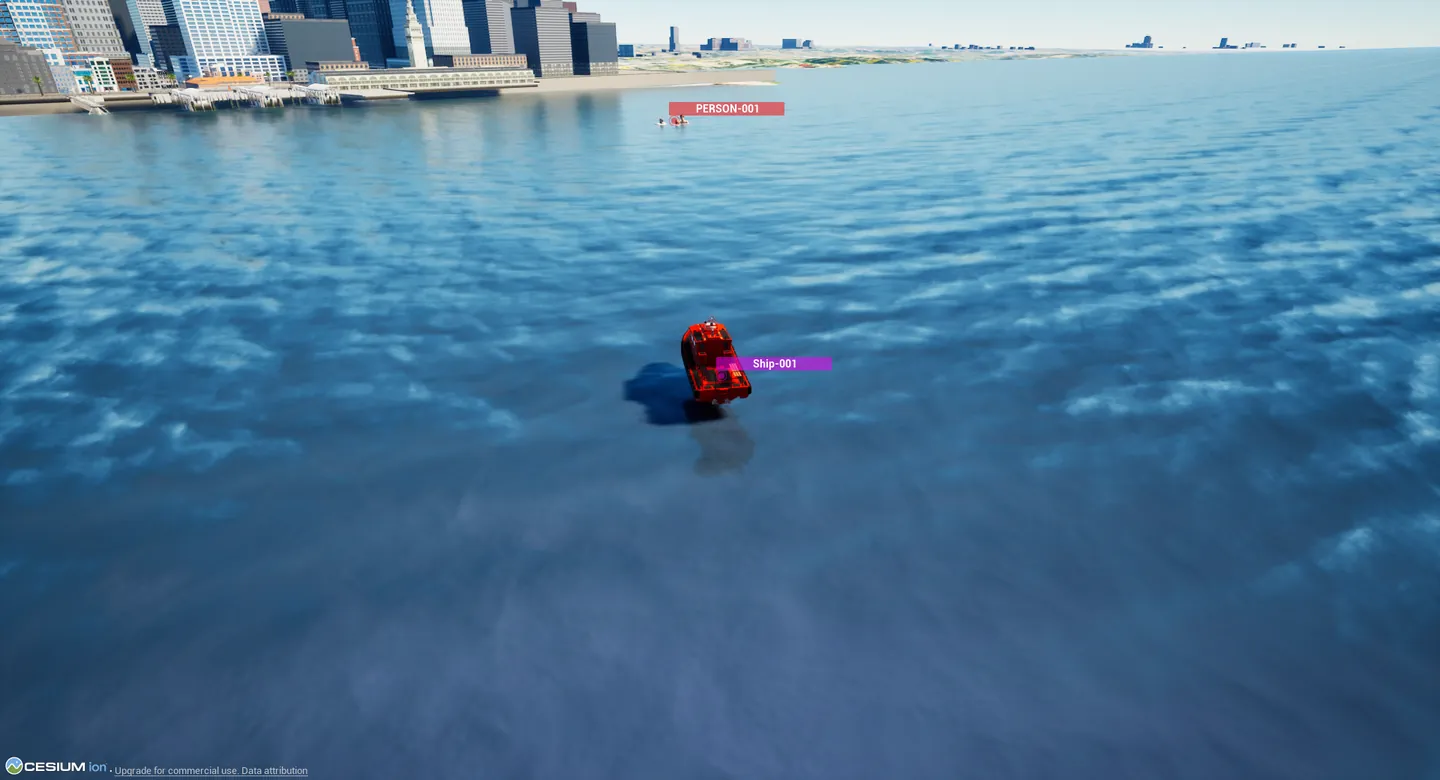
Aerial search over the sea with people and UAV labelsUnmanned surface vessel approaching a person at sea

Search and rescue

Sea search with surface-vessel pickup

Airborne search and maritime response are represented in one mission-level environment.

UAV + vessel

Research modules inside Lingjing

Two capabilities expand what the platform can build.

These works are not separate endpoints. PhysX-CoT supplies physical content to the platform; Lingjing-AnyScene turns content and a real place into an executable task environment.

PhysX-CoT · asset intelligenceLingjing-AnyScene · scene intelligence
Asset intelligence

Lingjing enabling research

PhysX-CoT

Supplies reusable physical objects to the Lingjing world.

Enabling module

When Lingjing needs a physical object that is missing from its reusable model resources, PhysX-CoT converts an image into structured geometry, part semantics, material and articulation information, plus engine-ready files. Its role is to extend the platform's asset supply rather than operate as a separate runtime.

Platform role
Asset acquisition
Formats
GLB · OBJ · URDF · MJCF
Evidence
Interactive assets + simulation
Loading model...

Updated articulated asset

Headphones

The refreshed source asset keeps seven recovered part groups and textured surfaces, paired with the revolute joint metadata in the physical files.

physx-cot-headphones-v2.glbDownload GLB
Loading model...

Articulated asset

Office chair

Part decomposition preserves the seat, back, base and supports so the asset can be loaded as a manipulable object.

physx-cot-office-chair.glbDownload GLB

Object-level execution · 12 s

Robot interaction

The generated object is located and lifted inside the simulation.

Scene-level execution · 11 s

Physical response

Multiple generated assets respond together to a scene-level force.

Asset packageGeometryMaterialsPhysical descriptionURDF / MJCFSimulation traces
Scene intelligence

Lingjing enabling research · new paper

Lingjing-AnyScene

Supplies validated task environments to the Lingjing runtime.

Enabling module
GitHub · Coming Soon arXiv · Coming Soon

Lingjing-AnyScene extends the platform from reusable scenes to mission-conditioned scene construction. It observes a real-world substrate, acquires task-local assets, writes placements, runs physics and visual audits, then exports a portable scene package that Lingjing can execute.

Platform role
Task-scene construction
Evidence
Fire response · navigation
Claim boundary
Scene validity, not policy success

Case 01 · Fire response

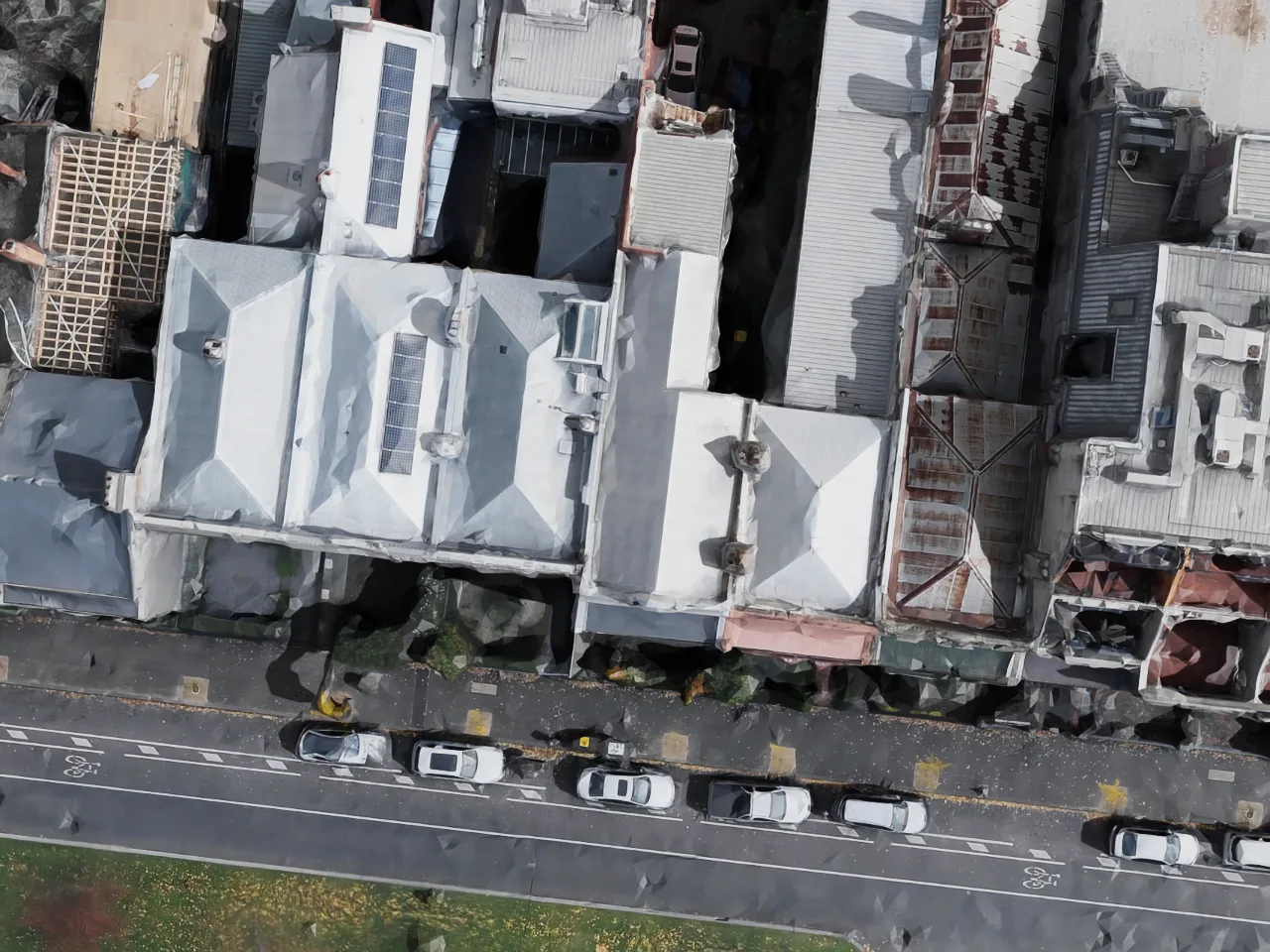
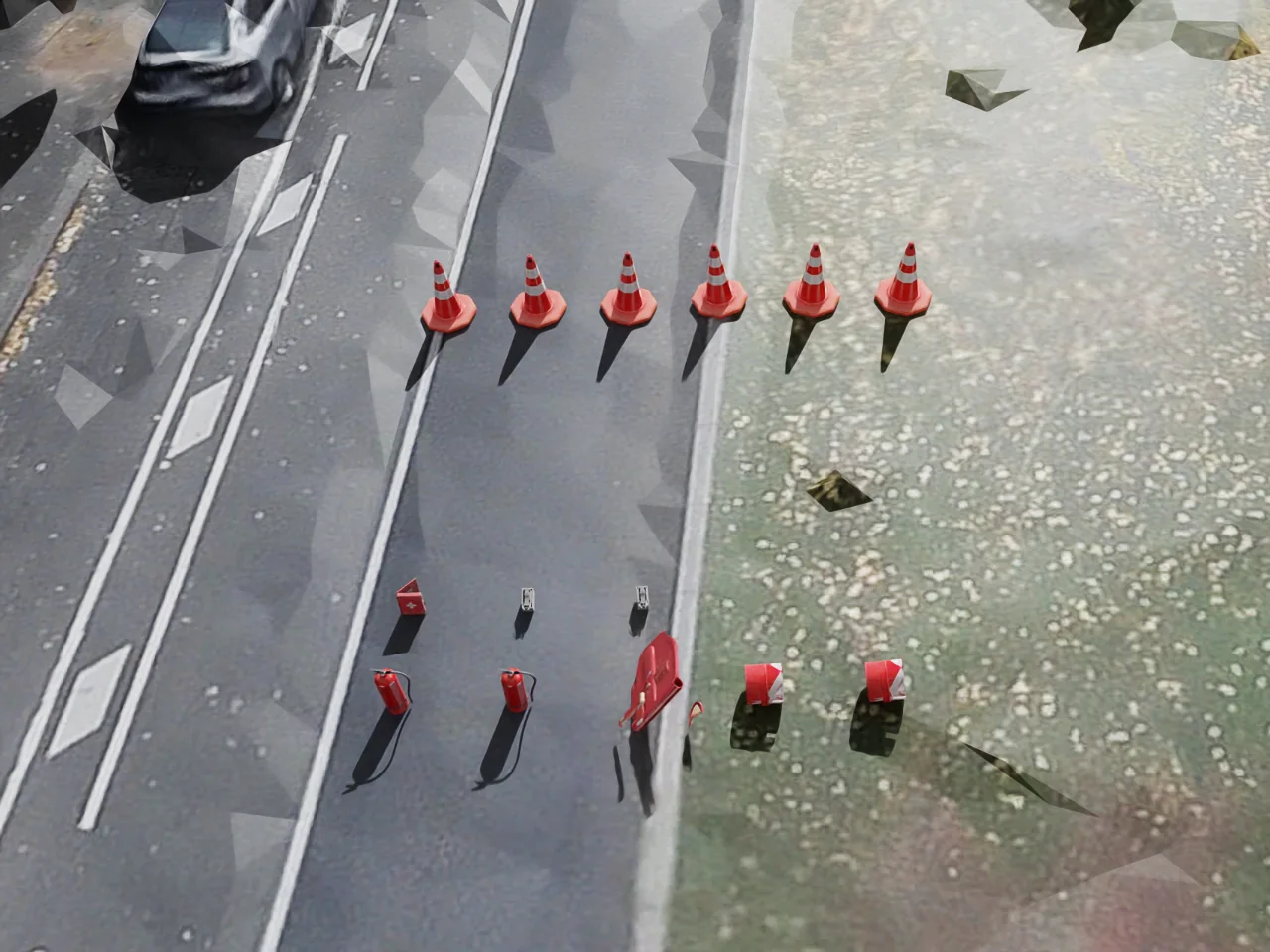
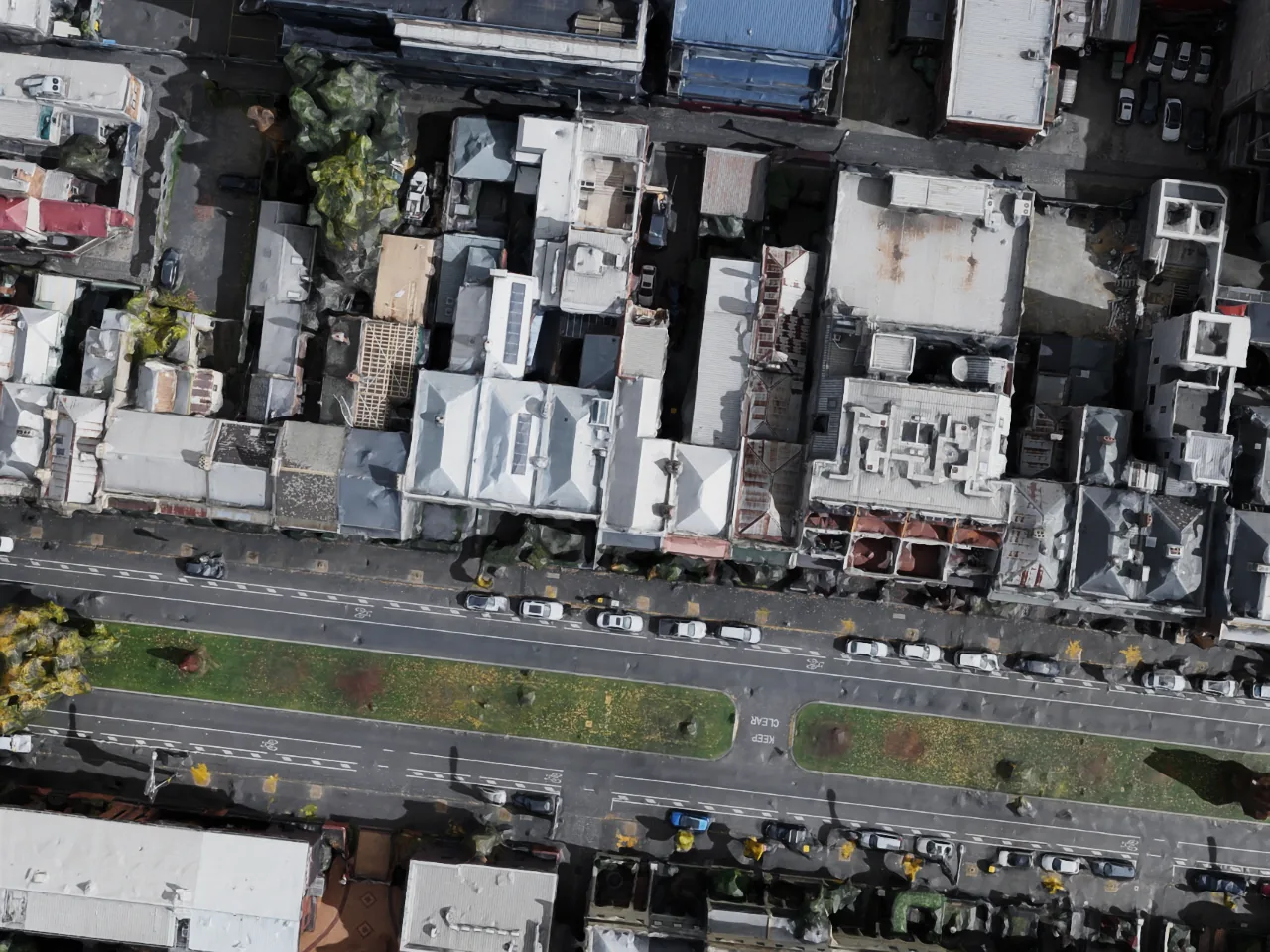
Emergency equipment staged around a real Melbourne road slice

The run acquires six task-specific categories, places fourteen instances and accepts the scene after physical and guide checks.

6/6categories14/14stable instances0guide violations
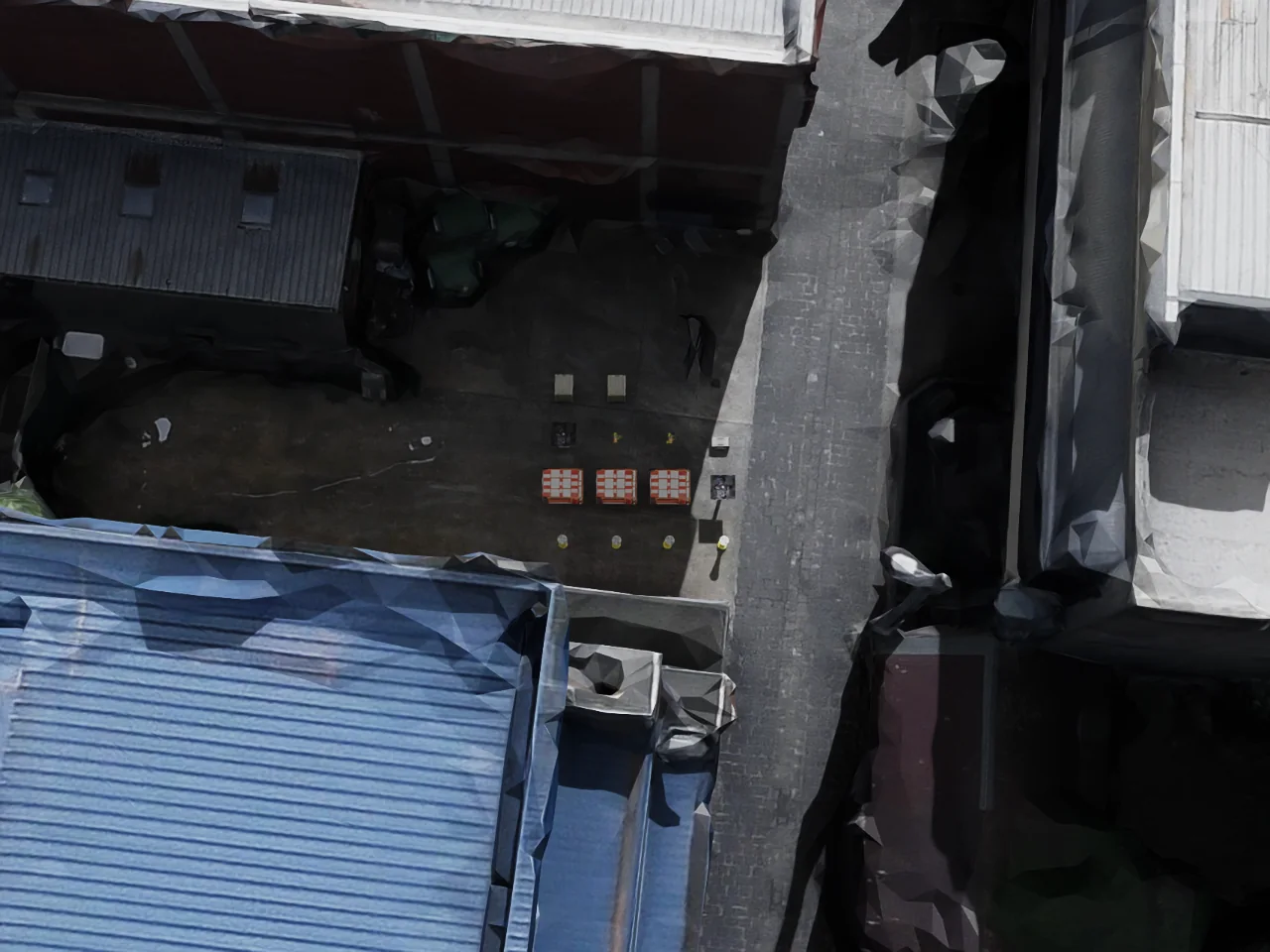
Top-down Isaac perception view of Melbourne substrate
Perceived substrate
Fourteen emergency assets placed in the validated fire-response scene
Validated placement

Selected task-local assets

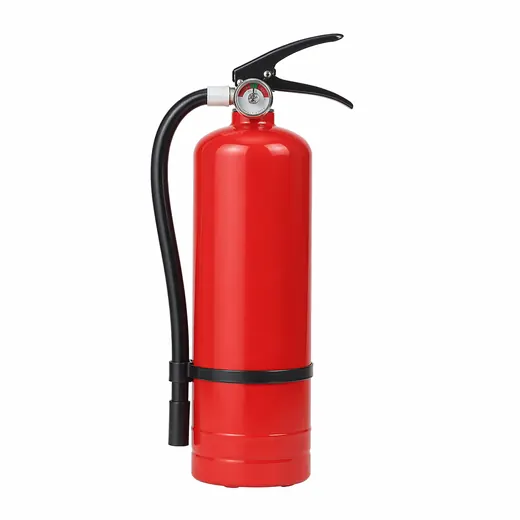
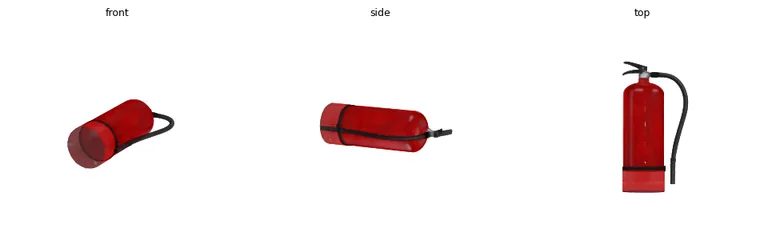
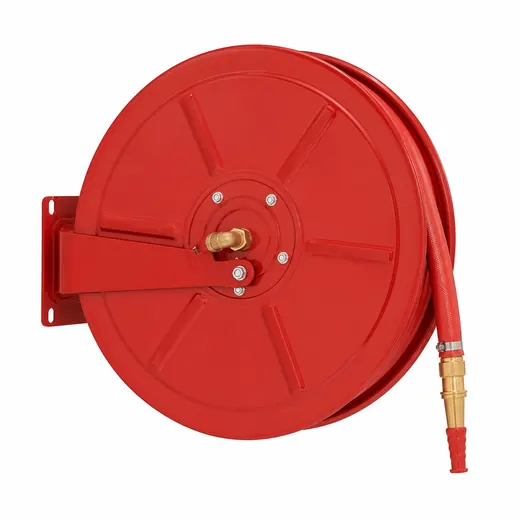
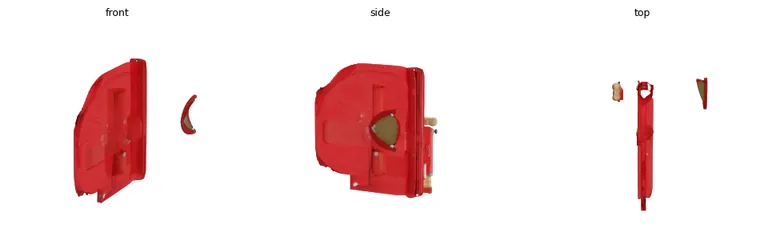
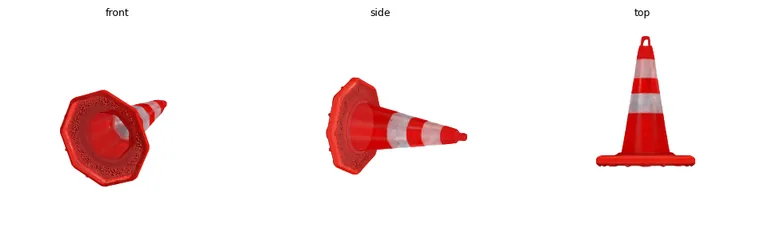
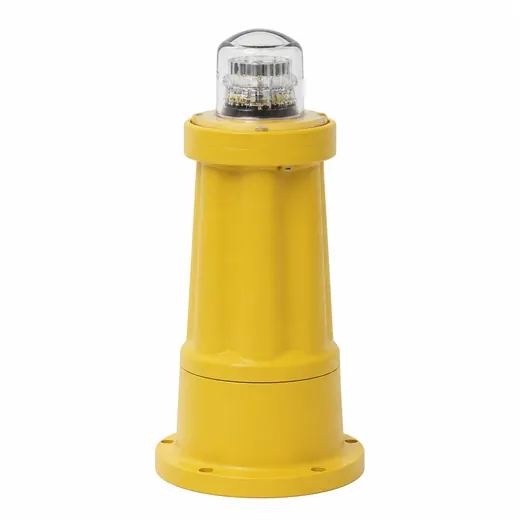
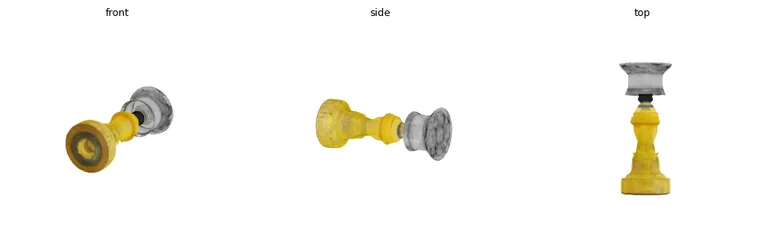
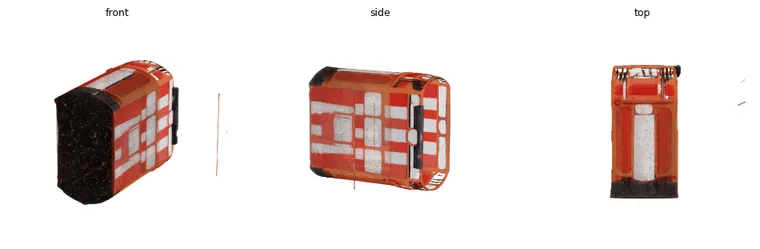
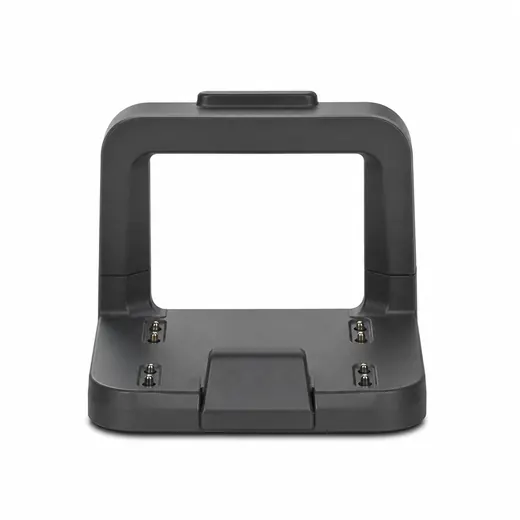
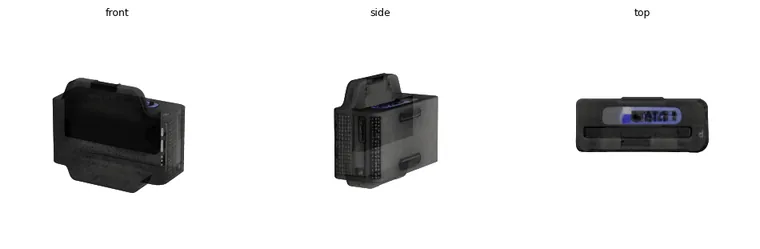
Reference inputs are paired with three-view QC renders. The full scene cases contain twelve categories; six representative acquisitions are shown here.

Fire extinguisher referenceFire extinguisher QC viewsFire extinguisher · fire
Fire hose reel referenceFire hose reel QC viewsHose reel · fire
Traffic cone referenceTraffic cone QC viewsTraffic cone · fire
Waypoint beacon referenceWaypoint beacon QC viewsWaypoint beacon · navigation
Portable barrier referencePortable barrier QC viewsBarrier panel · navigation
Quadruped charging dock referenceQuadruped charging dock QC viewsCharging dock · navigation

Public website

One website for three connected research efforts.

This website publishes the current project narrative, architecture and selected demonstrations. Research repositories and papers remain independent releases: PhysX-CoT code is available now, while the other repositories and all arXiv links will be added after release clearance.

LingjingGitHub · Coming Soon   /   arXiv · Coming Soon
PhysX-CoTGitHub · Available   /   arXiv · Coming Soon
Lingjing-AnySceneGitHub · Coming Soon   /   arXiv · Coming Soon
Contact Huang Jie